For someone living outdoors, preparing for winter can mean figuring out how to keep shoes dry, protect belongings, and reach shelter when the rain starts. BRIDGE is preparing now so we can help clients experiencing homelessness access waterproof boots, tarps, tents, backpacks, bus passes, and other essentials during heavy rain and possible displacement.
What Santa Cruz County Could Face
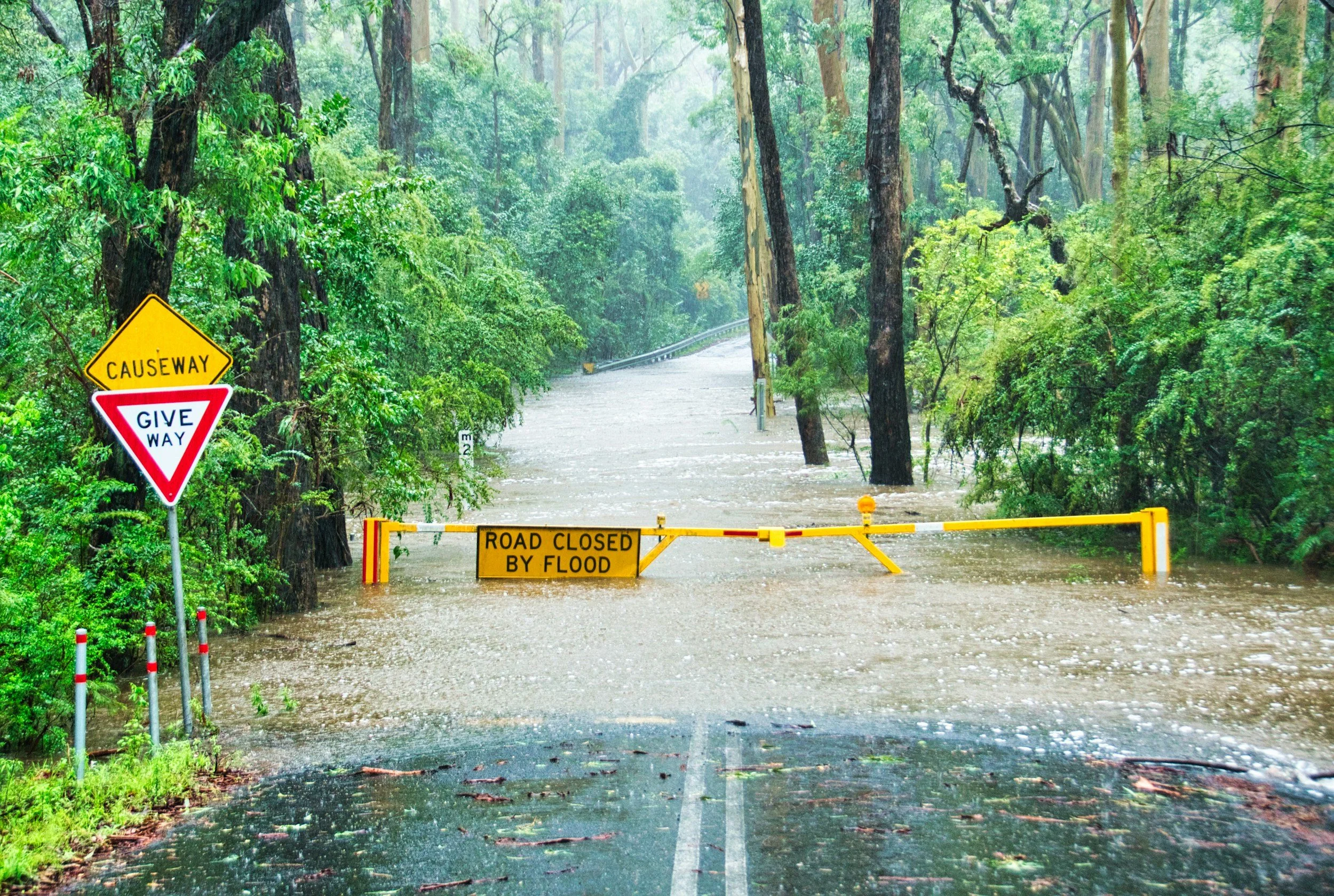
NOAA’s November outlook indicates that El Niño is strengthening and is likely to remain strong through winter. That does not guarantee a particular outcome for Santa Cruz County, but it reinforces the importance of preparing for severe weather. Locally, winter storms and atmospheric rivers can bring heavy rain, rising creeks and rivers, flooding in low-lying areas, downed trees, power outages, and landslides. Road closures and transportation disruptions can also make it harder to reach services or move to safety. For people without secure housing, these conditions can threaten both personal safety and the few belongings they have. A flooded sleeping area may mean losing bedding, clothing, identification, or the supplies needed to get through the next night. Having to move quickly becomes even harder without transportation or a way to carry essentials.
Practical Preparation
We are working to have supplies available before urgent requests arrive:
Waterproof boots to help keep feet dry during prolonged rain.
Tarps and tents to provide protection from ordinary rain and replace damaged supplies.
Backpacks to help people keep essentials together and carry them when they need to move.
Bus passes to help people reach shelter, appointments, and services when routes are operating.
Other essentials, including dry socks, rain gear, and weather-resistant storage for important belongings.
Helping Before a Crisis
Preparing ahead gives us a better chance of responding when someone needs help. It means having boots available when a client’s shoes are soaked, a backpack when belongings must be moved, or transportation assistance when someone needs to reach services. These supplies do not replace safe, stable housing. They meet immediate needs while people navigate circumstances that become more difficult—and more dangerous—in severe weather.
